
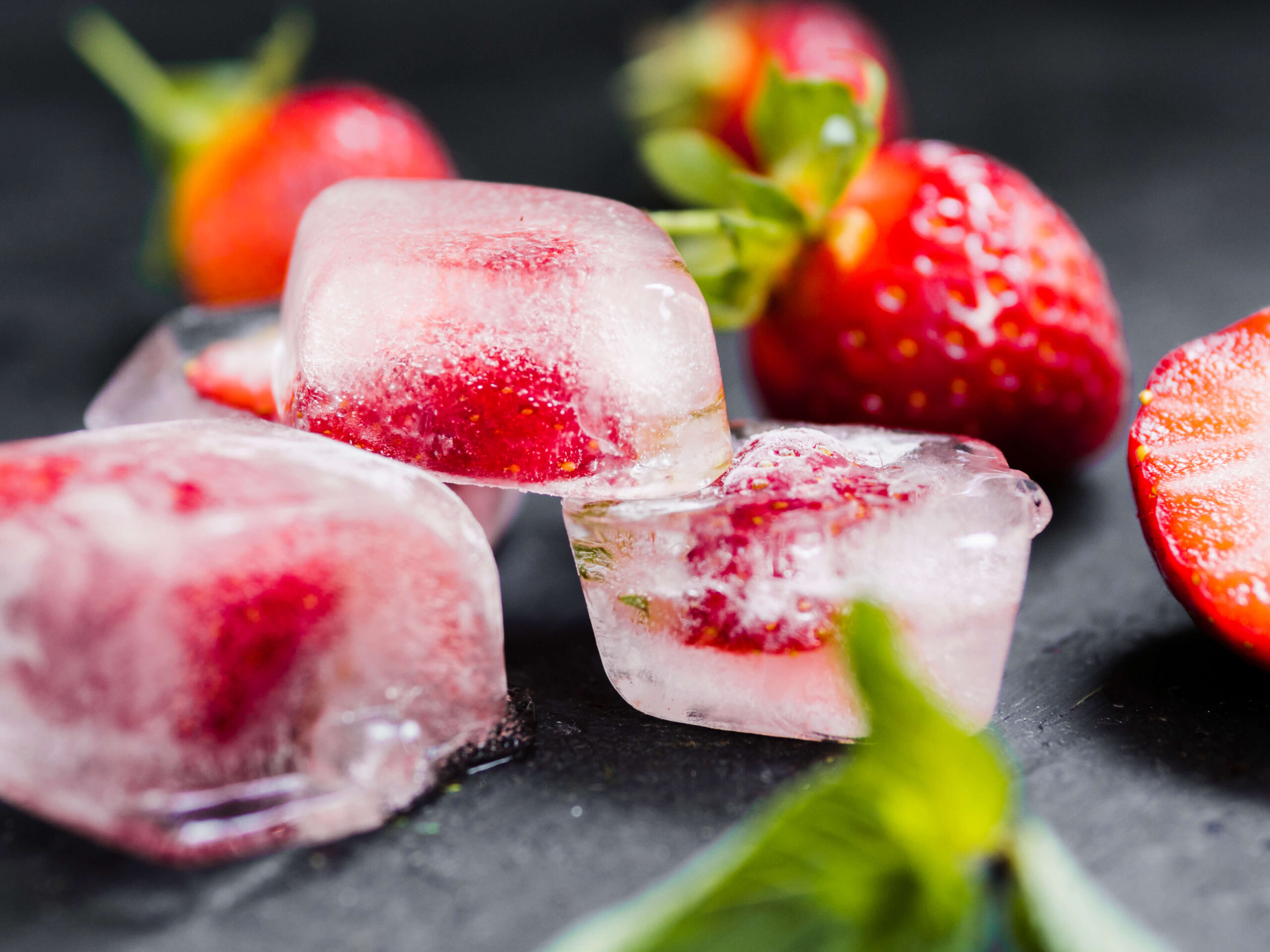
Smoothie chains live and die on consistency. Guests expect the same flavor profile in every store, every day. That is exactly where IQF fruit becomes the backbone of your menu, as long as the specs and supply program are right.
This article explains how to spec IQF fruit for smoothie chains, what impacts pricing, and how to structure a supply program that works at scale in the United States.
Which IQF fruit specs matter most for smoothie chains
For smoothie concepts, the most important spec items are:
- Variety and origin, which impact flavor and color
- Brix and acidity, which impact sweetness and balance
- Cut size and shape, which impact blend time and texture
- Defect tolerance and foreign matter standards
- Additives or processing, for example no sugar added, no preservatives
Work with your supplier to define application specific specs. For example:
- Mango for smoothies, with a minimum brix, controlled fiber level, and a cut size that blends smoothly without clogging straws
- Mixed berry blends with a defined ratio of strawberries, blueberries, and raspberries to keep color and flavor consistent
Make sure these details are written into the technical specification and reflected on the Certificate of Analysis for each lot.
Designing a national or regional supply program
For a US smoothie chain, you need to make decisions around:
- Distribution model, direct to store, through regional DCs, or via broadline distributors
- Port strategy, for example West Coast, Gulf, East Coast, depending on origin
- Stock holding levels and safety stock in each cold store
- Product range that is core all year, plus seasonal limited time offers
A strong IQF partner will help you map demand by region, then set up a program that balances full container imports with domestic redistribution. The objective is simple, reduce stock outs and last minute air shipments while keeping landed cost under control.
Pricing for IQF fruit used in smoothies
IQF fruit pricing for smoothie chains is influenced by:
- Global commodity prices and harvest yields
- Origin and port of loading
- Packaging format, for example carton size, pillow bags, bulk tote
- Shipping lane and freight rates
- Any additional services, such as repacking or branded labels
Ask suppliers to present pricing in a transparent way, breaking out product cost and logistics. For chain buyers, fixed pricing for a defined period can reduce risk, but it needs to be balanced with market reality.
A good structure might include:
- Fixed pricing for a set baseline volume
- Indexed or review based pricing above that baseline
- Clear rules for price adjustments if freight or raw material costs swing outside a band
Building menu items around IQF
Once the basics are set, your IQF partner can support menu development:
- Tailored blends for signature smoothies and bowls
- Pre measured bags for portion control and speed
- Advice on which fruits handle better in high volume stores
With the right specs and supply program, IQF fruit helps smoothie chains scale across US markets without losing the taste profile that made them successful.